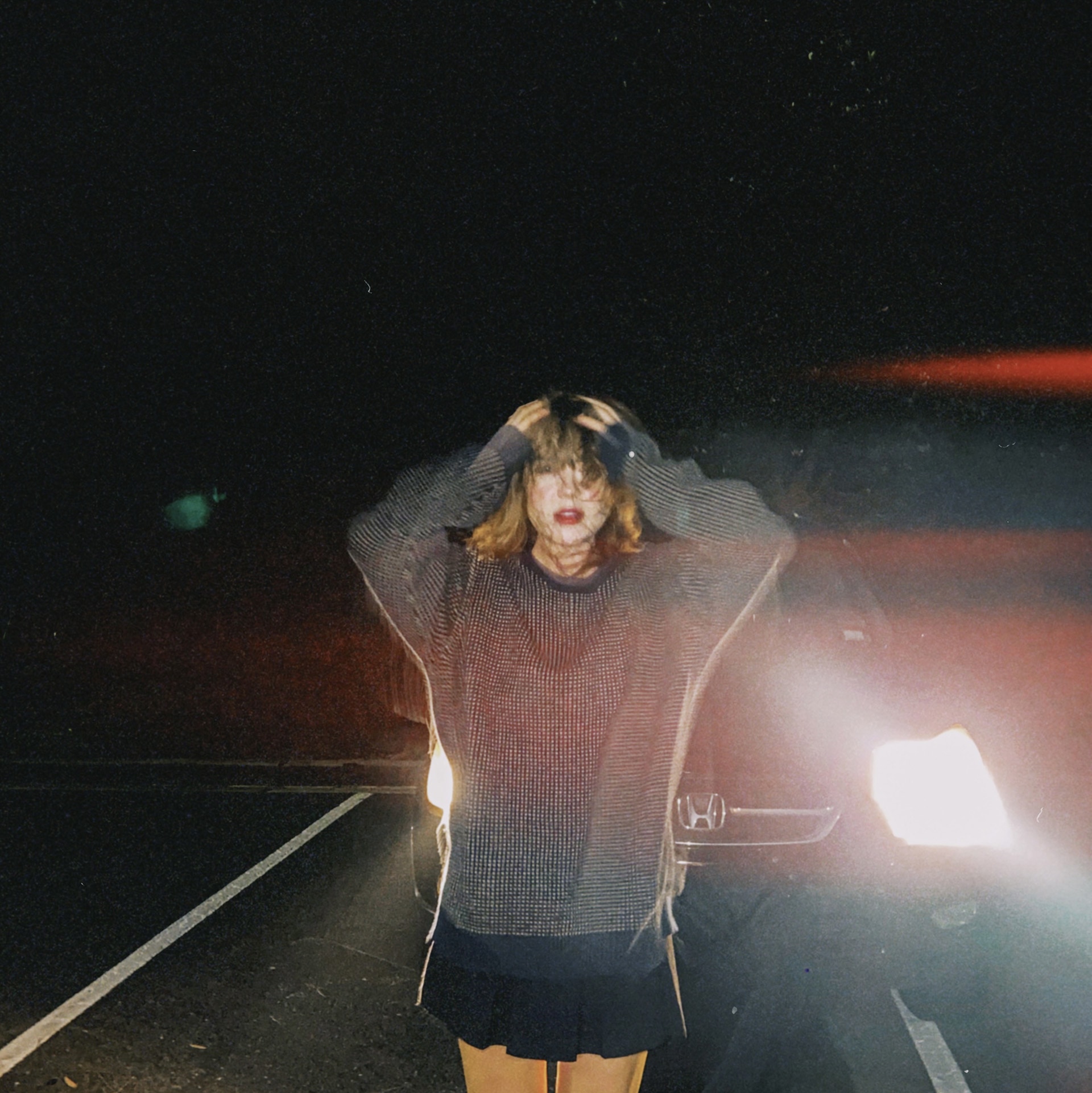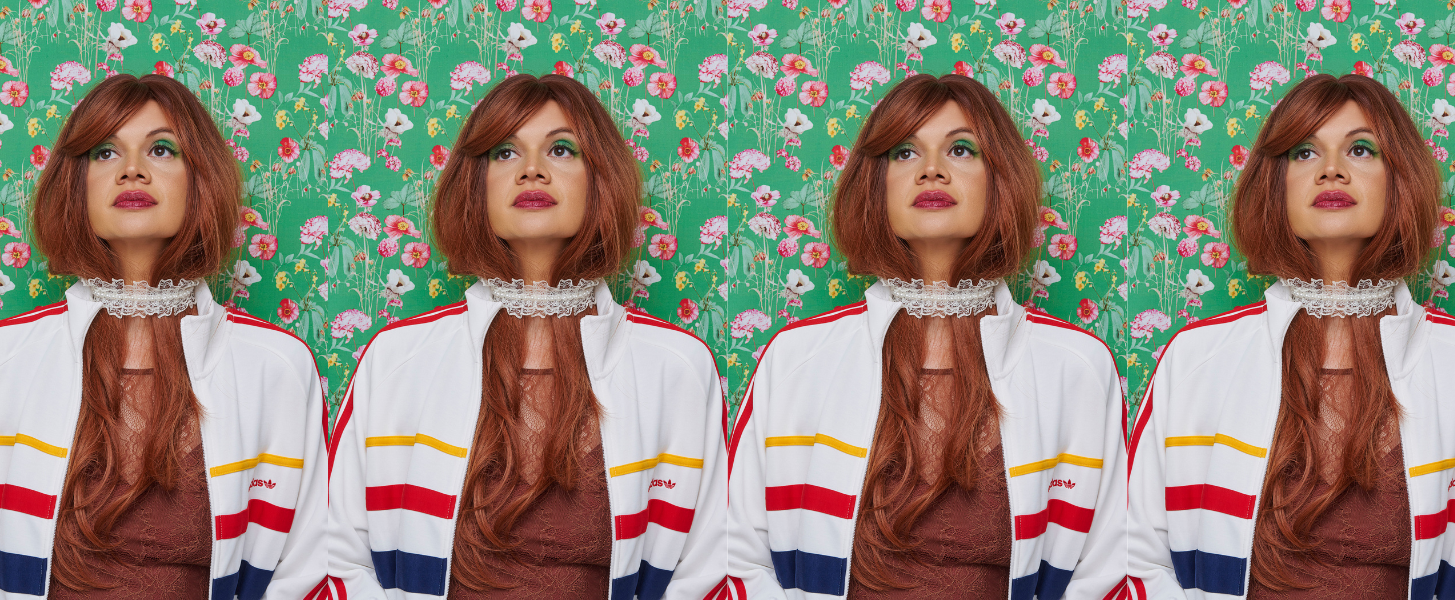
With her debut EP Belonging dropping 10 October, GLVES (pronounced “Gloves”) is ready to share her most personal work yet. The First Nations alt-pop artist has been building something special – a cinematic sound she calls Blaktronica that weaves together her Kaurareg, Fijian, and Polynesian heritage with cutting-edge production, all while exploring themes of identity and place.
From earning Best Pop Music Video at the 2025 Europe Music Video Awards to collaborating with ARIA-winning producer Rob Amoruso (Baker Boy), GLVES represents the powerful evolution of contemporary Indigenous artistry. We caught up with her to explore the emotional landscapes behind her music.
Your debut EP is called Belonging – what’s the story behind that title, and what inspired you to explore these themes?
Belonging is really about reclaiming myself. I grew up in a dysfunctional home and a high-control religion that tried to press me into molds I never fit. On top of that, I was raised away from my First Nations communities and extended family, so I carried this constant sense of being an outsider, and the loneliness and shame that comes with it, so I masked a lot. That is where the name, GLVES, comes from. I wore gloves to cover my skin to seem normal, and also not to feel.
These songs became a way of piecing myself back together, expressing my identity, my vulnerabilities, and ultimately continuing the choice to belong to myself. The title is a reminder that belonging isn’t something others hand you, it’s something you claim for yourself. And the only way to do that is by opening and accepting your own truth, instead of exhausting yourself trying, and failing, to assimilate as it ends up having a cost.
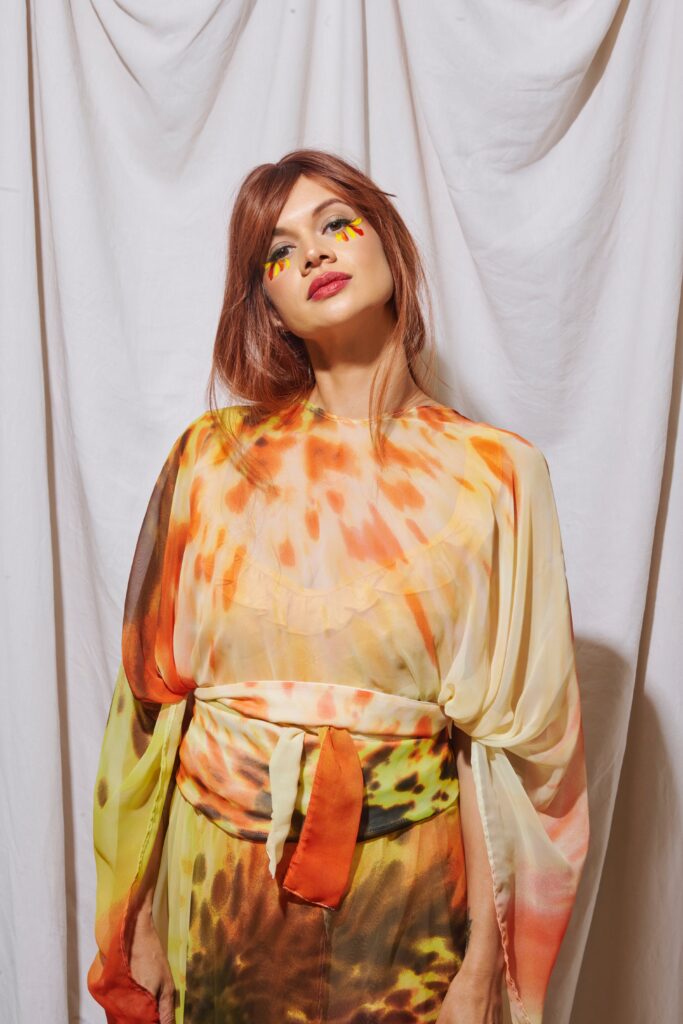
You have Kaurareg, Fijian, and Polynesian heritage – how does that cultural background influence your music and the stories you want to tell?
My cultural background shapes everything—how I see the world, how I see myself, how the world sees me, how I hear rhythm, how I tell stories, and even who wants to listen. The reality is that society assigns value to bodies before they even speak—whiteness over brownness, maleness over femaleness, thinness over fullness, beauty over plainness. Those hierarchies quietly determine whose stories are amplified and whose are diminished. If you grow up in a home with love, you might have messages that counteract those external forces. If you grow up without it, those same messages can be reinforced.
For me, being raised away from my extended family and Black culture, only catching glimpses of it when I visited—left me with a deep sense of longing. I longed to see faces that reflected mine, and I longed not to be asked where I was from because of my skin tone or the shape of my features. At its core, that longing is simply human: to belong to a group where you feel safe and valued.
Music has become both my way back and my way forward, a vehicle for reclamation. There’s a yearning in everything I write: to honour the stories my body carries while showing that identity is layered, complicated, and evolving. The roles once prescribed for someone like me don’t have to fit neatly. Through my music I can imagine new futures, reframe belonging as something I grant to myself, and carve out space in between worlds. That in-between space—mixed race, a woman, existing within structures never built for me—is the exact place my music is born.
You’ve won awards for your music video work, including Best Cinematography. How important is the visual side of your artistry, and how do you approach creating videos for songs like Echo and Honesty?
Visuals are just as important to me as the music. I see songs like little films—they carry an emotional landscape I want people to feel, not just hear.
The biggest challenges are always budget, time, and capacity, but I’m committed to finding ways to bring those visions to life.
A good example is the video for Time, which I created with First Nations director Rhianna Malezer. That collaboration was so special, we dreamed up bold ideas together and pulled the right team around us to make it happen.
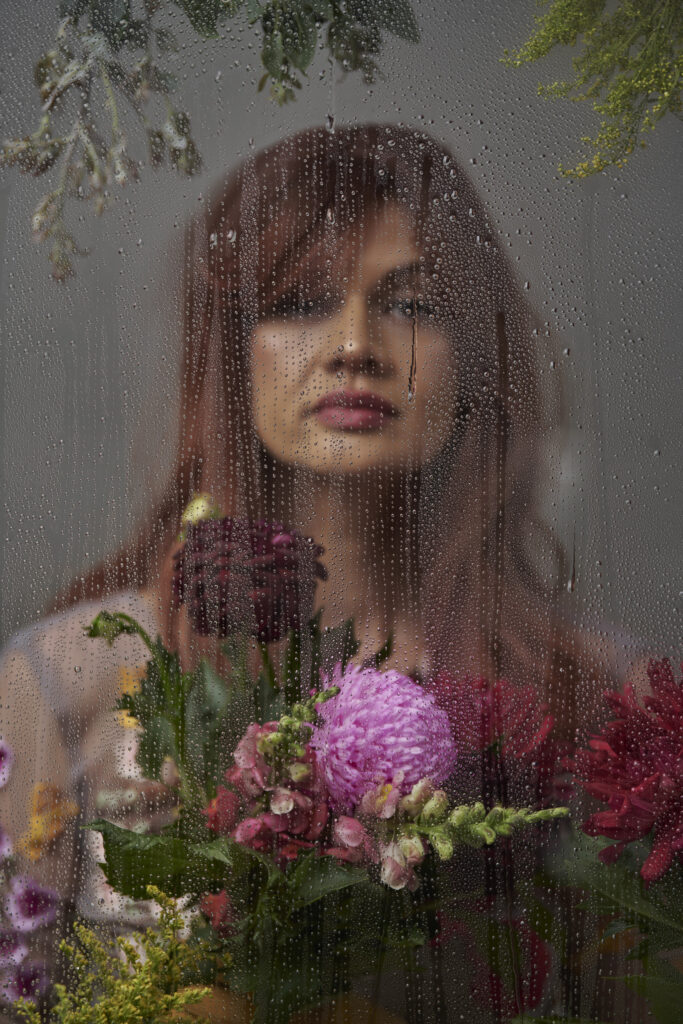
Flowers ran through the creative for this EP, in Echo, Honesty, and the upcoming Lost. I work with an amazing creative team, Bianca Cuff, Jason Starr and Cindy Vogels a lot, they always know I’ll have some mad-cap random idea. I used to hate flowers and colours like pink because I was taught femininity was weak and vulnerable. In this creative I wanted to reclaim them as defiance: I will bloom despite the messages you gave me. I am experimenting with how they feel on me, the softness, it is something I would not do in my everyday life, but I’m open to it.
You can also see that in the EP artwork I created with the incredible First Nations artist Rachael Sarra. I see pinks as sunsets, the soft strength of the last light, the riot of colour. For me, visuals are about carrying that kind of beauty that feels both vulnerable and powerful.
View this post on Instagram
Can you walk us through the three singles – Echo, Time, and Honesty – and how they connect to tell the story of Belonging?
These songs are all about the impact of human relationships. Echo is about the longing to hold onto one that’s already lost that keeps calling you, Time is about turning inward and accepting your own truth, Honesty is about speaking that truth to others to honour yourself, and my 4th single Lost dives into the visceral feeling that nothing matters and no one cares, maybe of our own insignificance. I wrote it in the aftermath of the 2023 Voice referendum, when those outsider feelings in this country were awakened in a very real way. Together, they trace a journey through loss, self-reflection, nihilism, and boundaries, all in the search for acceptance and belonging.
You describe your sound as “Blaktronica” – how did you develop that blend of electronic and organic elements, and what does it allow you to express as an artist?
Blaktronica is my way of blending futuristic electronic textures with something deeply human and ancestral. I love creating layered, cinematic soundscapes, but I also want it to feel grounded in breath, voice, and body. That contrast—between synthetic and organic—mirrors my own identity, and allows me to hold both the softness and the power in my music.
Most of my career has been online. I was an early adopter of digital communication and worked in it for a long time. Over time, I began to see how fraught and divisive that digital space could be, how much bias and human folly is built into the systems we use every day. I wanted to create something that actually meant something to me and you could hear my history, and to the people who really knew me.
Blaktronica became that outlet: a future-focused soundscape rooted in truth, vulnerability, and reclamation. It’s a lofty goal, and incredibly challenging, which is why my music constantly pushes me to the edge of what feels comfortable. That’s where I believe the most powerful expression lives.
Your music deals with themes of identity and healing. How do you balance being vulnerable in your art while also making sure you’re taking care of yourself emotionally?
It’s definitely a balancing act. Making the music can be raw and painful at times, but I see it as an act of alchemy, transforming wounds into something that can heal others as well as myself. I try to be curious about the emotions it brings up, and I surround myself with collaborators who are safe and supportive. The music asks me to be vulnerable, but I’ve learned that vulnerability can actually be its own form of strength. But something, yes, you do need to put it down sometimes, and process what it brings up for you, and that takes time and patience, which I struggle with.
View this post on Instagram
How do you bring the cinematic quality of your recorded music to life in a live setting? What do you want people to experience at your shows?
I think of live shows like immersive journeys. I work with live musicians, and visual projections to create something layered and textured, almost like stepping into a film. There is a narrative through the show which connects with nature. But at the core, it’s about connection. I also understand that it may not work in every environment, so I am selective about where I share.
Working with ARIA-winning producer Rob Amoruso on this EP – what was that collaboration like and how did it shape the final sound?
Rob really pushed me to dig deeper into my voice and trust the emotional weight of the songs and be in the moment. He is just a beautiful energy to create with and talk to and really talented. Songwriting is like therapy and he is so open to the journey. His experience brought polish and structure, but he always let the rawness breathe which is where the magic is. That balance shaped Belonging into something both powerful and vulnerable.
When you’re creating a song, do you typically start with electronic elements or organic instruments? What’s your process for layering these different textures?
It changes, but often it starts with voice, a lyrical and melodic motif or idea. From there I layer electronic textures, figure out the structure of the song, almost like building a cinematic landscape around that initial feeling. Sometimes it’s reversed, I’ll start with a beat or soundscape, and then weave in something human to ground it. For me, it’s always about contrast, fragility against strength, intimacy against vastness.
With Belonging about to drop, what’s next for you? Are there new sounds or themes you’re excited to explore?
I’m excited to keep building on Blaktronica, pushing into more experimental electronic territory while also stripping things back at times to let the voice lead. In November, I’ll be releasing a deluxe version of the EP featuring remixes by First Nations electronic producers Moss, Hylander, and AROHA. In early 2026, I’m hoping to take the visual show I built this year on a little mini tour. I’ll also probably record and release some acoustic versions of my songs, alongside leaning further into drum and bass, exploring more sync opportunities, and producing purely for fun. After so much focus and intensity in 2025, I’m looking forward to being more playful and intuitive with my creative expression, finding joy in experimenting with new sounds, new collaborations. Working with other cool people is always the best part.
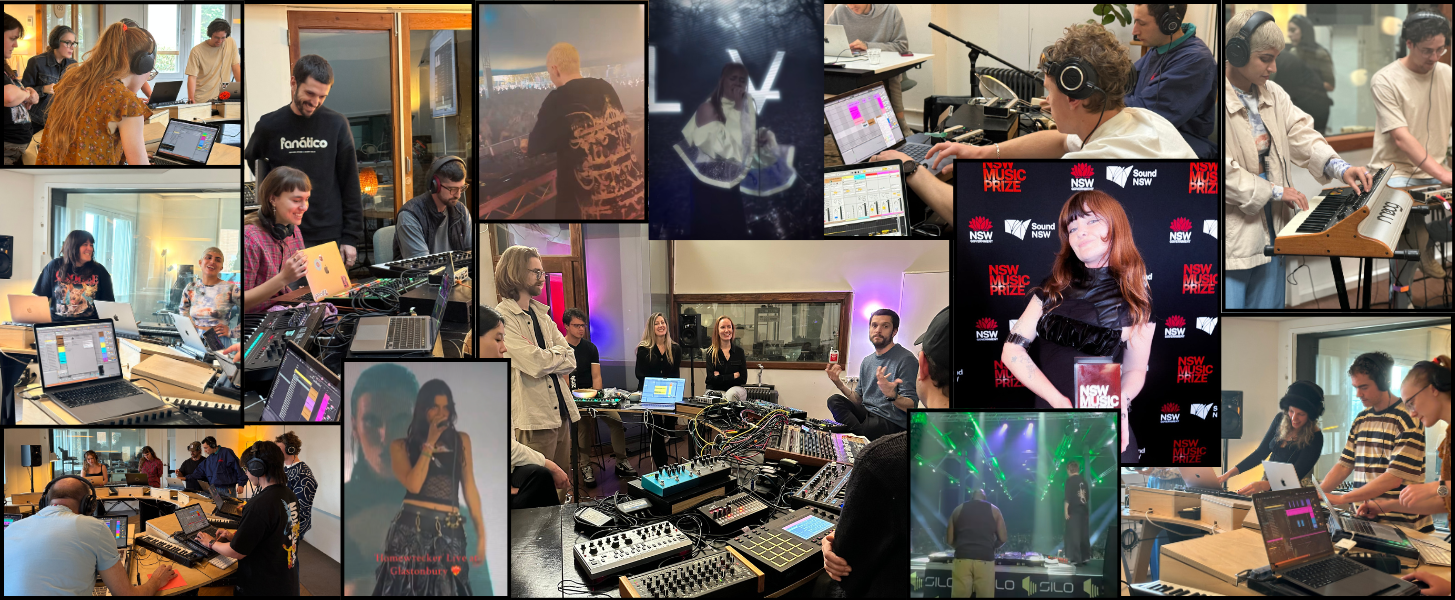
Liveschool Connections: Alumni Collaborations
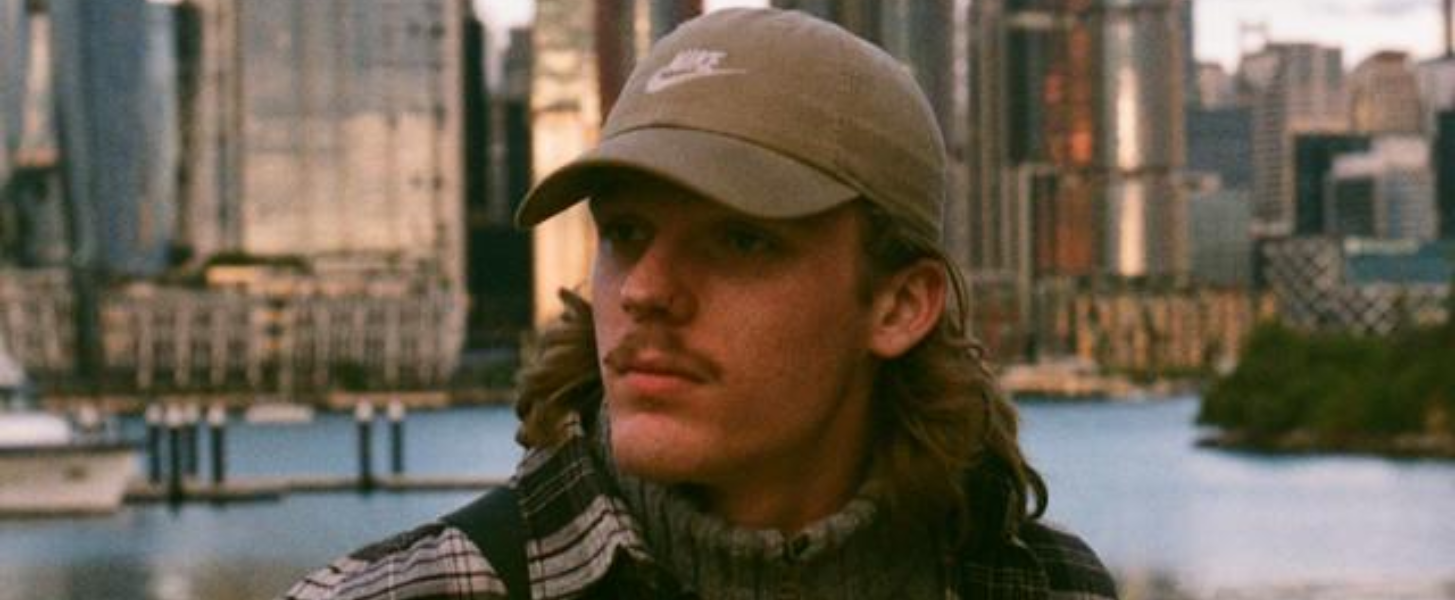
GLVES’ creative community extends into the Liveschool family. The deluxe edition of Belonging features remixes by Liveschool alumni MOSS and AROHA, with the MOSS remix mastered by production mentor Alex Braithwaite – a true Liveschool collaboration squared.
For more insight into GLVES’ journey, watch her in-depth conversation with SBS about identity, music, and belonging:
GLVES’ debut EP Belonging is out now. Follow her journey on social media for updates and behind-the-scenes content.