Bustlip’s Creative Process: From Winston Surfshirt to Solo Production
If you’ve ever felt stuck between chasing late-night inspiration and building something sustainable, you’re not alone. For Jack ‘Bustlip’, the shift wasn’t about working harder — it was about redesigning his creative process around energy, clarity, and long-term output.
From early-morning writing sessions to separating sound design from songwriting, Jack has built systems that let him stay prolific without burning out.
As a core creative force in Winston Surfshirt and a Liveschool trainer, he brings a rare mix of touring-artist perspective and hands-on production workflow. In this conversation, he breaks down the habits, tools, and mindset shifts behind his output — and how he stays confidently genre-flexible in the process.
Production Tips
One piece of advice you wish you’d ignored earlier.
Everything needs a high pass / low pass… In my early days being influenced by a barrage of must-do’s and “better” ways to do things from the internet and not listening to my tracks and what they need. If you’re learning on your own, sometimes you have to take the long way round to learn to trust your instincts. Despite bad Youtube advice, high / low passing everything never sat right with me – and turns out I was right.
What’s a stock Ableton device you think is underrated or overlooked?
Envelope follower – just make everything touch everything.
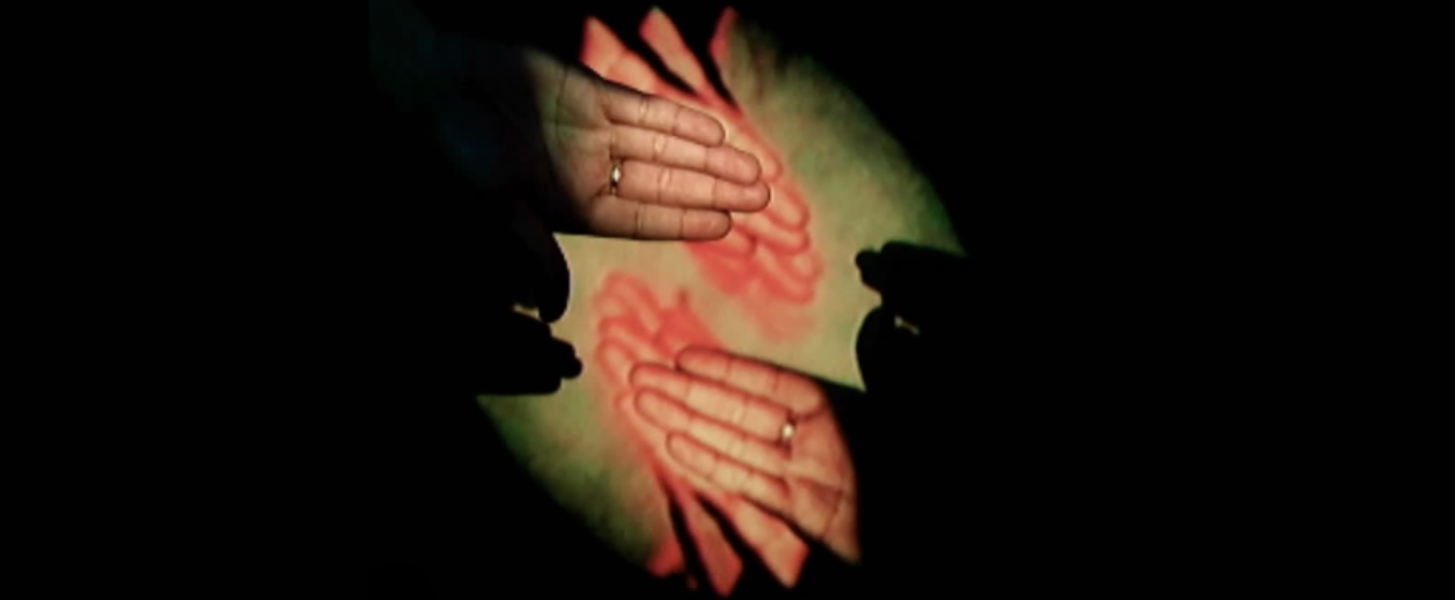
I could give a million examples, and here’s just one: use a hi-hat (or any sound) to trigger the input dial of Hybrid Reverb on a drum break. After making the trigger pattern you can mute the hi-hat sound and play with its pattern:
Creative Practice
What’s one habit in your current workflow that genuinely changed your output?
Realising that I’m not a night guy and getting up early to make music. I thought for years that I made the best music starting at 10pm or sitting down to create after getting home from a night out and pushing through, but in the past 4-5 years I’ve realised how much more productive I am when I get up at 6 and start working. I found I have my best ideas and make most progress when my mind is fresh and after getting outdoors for 20 minutes before I do anything else.
What part of the production process do you still find hardest – and how do you work around it?
Separating the writing process and sound design. So often I’ll be working on a track and think “This part needs a cool transient granular synth thing” or something, then get lost in making a new patch. I just love making sounds and it’s always so exciting when you stumble on a new pathway with a sound, sometimes it’s hard to not get lost in it for a while. The only way I get around it really is to get as close as I can to the sound I imagine in 5 minutes, then recolour the track and leave a note to myself in the clip as to what to change when I come back after I feel I’ve worked enough on the rest of the song.
What’s the first thing you set up when opening a new session
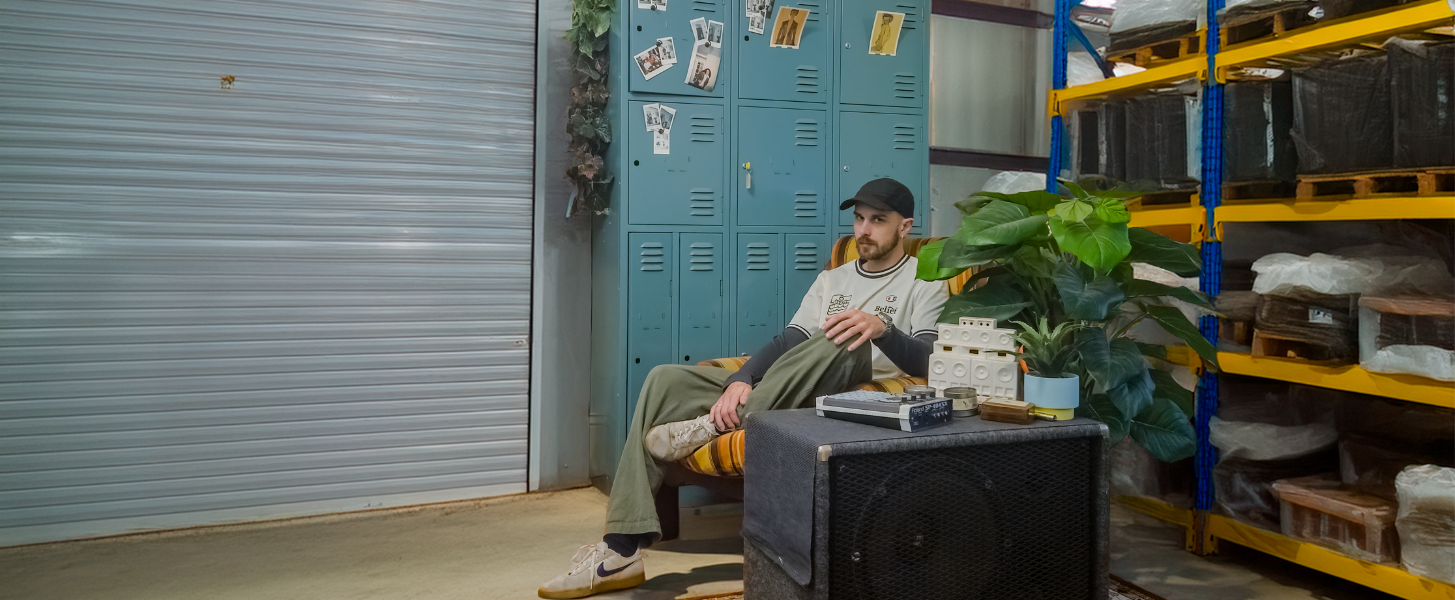
Usually I start with either digging through samples or field recordings I’ve collected for something inspiring to springboard a new idea. Sometimes it’s experimenting with Pigments by Arturia because it has such a broad palette. If I’m not particularly inspired I’ll look around my home studio for bits of gear or instruments I’ve bought and saved for a rainy day. I look at trinkets and little memorabilia I’ve collected overseas and try and draw on a feeling and let that direct my choices.
When you and the band cook up a beat from scratch – what’s the first thing that usually comes together? (the drums / the chord vibe / a sample idea / a lyrical phrase) – and what’s the second thing?
It’s almost always coming up with a drum groove whether that’s racked up and performed or we find a decent sample. It usually helps dictate the energy and give us something to hang on to as we jam around on different instruments when we write together. We are big fans of writing games and setting limitations to force us to produce. By the end of it we always have a little loop or something to resample that will eventually get fleshed out into a full track.

Creative Identity & Beginnings
Your alias “Bustlip” started from a very human, grounded moment – how do you think that playful spirit still shows up in your production choices or creative energy?
I have a lot of fun producing in different styles from juke/footwork to ambient to synth pop etc. From time to time I’ll get my Tele out, pretend I’m in Kids Like Us and write a hardcore breakdown. I try to not get too bogged down in the way a song “should” sound. Trying different styles keeps it fun and you always learn new stuff you can apply to your favoured genre. I find it an entertaining challenge to try borrowed ideas from different places and jigsaw them into my beat-making process. However, sometimes metalcore and cumbia just weren’t meant to be mixed.
Thinking back to those early Winston Surfshirt jams in Manly – was there a moment or sound that felt like “this is our voice”?
There was definitely a point where introducing sampling into a band format really opened up a sound. Mixing and matching instrumentation and pulling from our parents’ old records and adding guitars and keyboards. It was always a great feeling hearing the sample and instrumentation over big speakers in a venue for the first time. It felt quite different from a lot of the other acts playing around our area at the time.
Taste & Reference
A track you return to when your ears feel lost – what does it do well?
Clock Catcher – Flying Lotus. A masterclass in sound collage and sample choice. It all flows so well and constantly evolving.
A track nobody would suspect you vibe with – and why that one?
Makeshift Swahili by This Heat. Why? Just cause it’s mad.
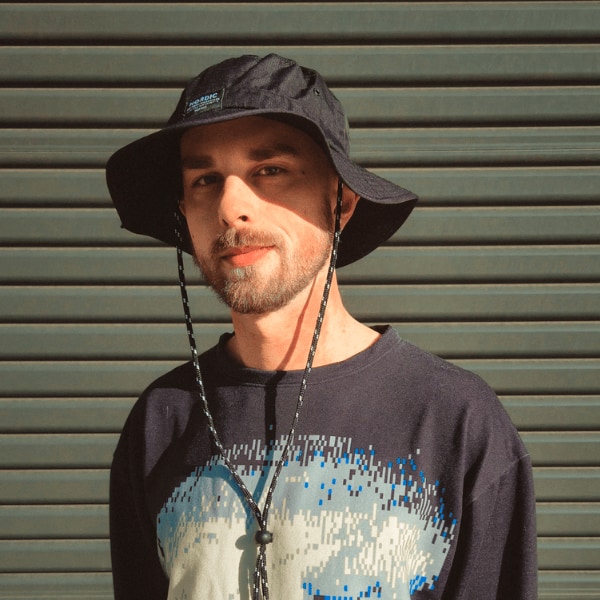
Jack Hambling
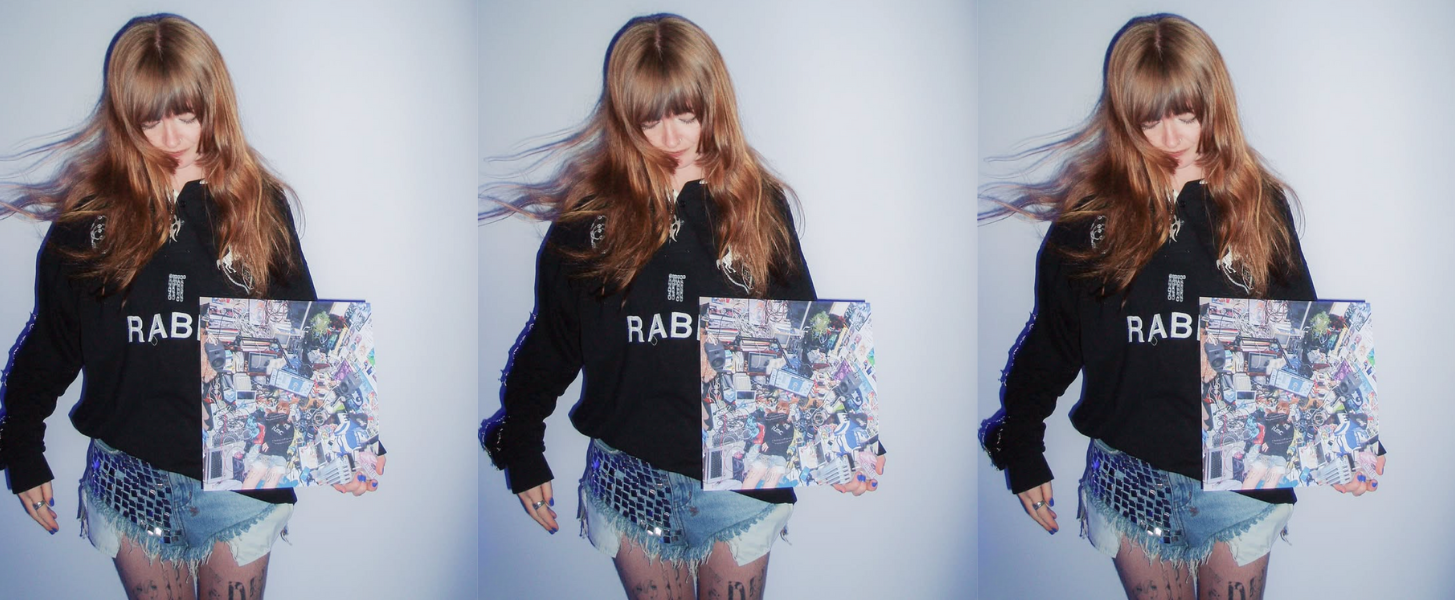
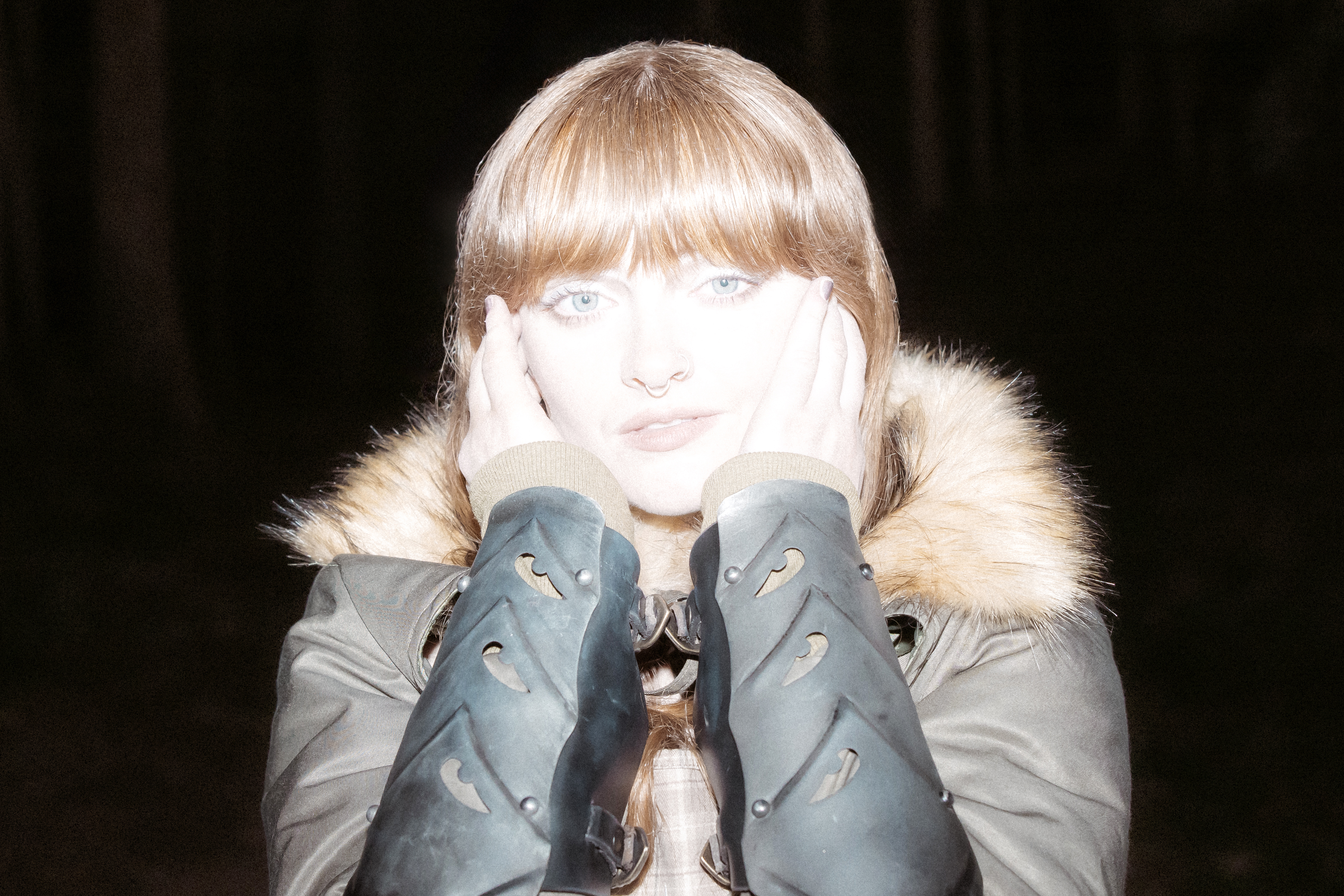
Sydney producer and songwriter Jack Hambling (Bustlip) is the beatmaker behind ARIA double-platinum act Winston Surfshirt, with a sound rooted in hip hop, soul, and sample-driven production.