Written by:
Alex Braithwaite
Why I Changed My Mind About Albums in Electronic Music
I used to think albums in electronic music were redundant.
As a producer, I’d pour months into tracks that would get their moment in the sun for maybe two weeks before being buried under the next wave of releases. Labels would drop 3-4 EPs a week, DJs were constantly hunting for the newest tracks to shock dancefloors, and the whole ecosystem felt built on quantity rather than artistry. So why spend 6 months or a year writing an album?
I was wrong. And here’s why – and more importantly, what it means for your career as an electronic artist.
Five longtime Liveschool veterans are about to prove why the album format has become electronic music’s secret weapon for serious career development. We’ll explore how the streaming economy now rewards artistic depth over viral moments, why the industry’s “algorithm versus art” battle is creating two distinct career paths, and when you should consider making the leap from singles to substantial artistic statements.
But first, let’s look at what’s happening right now.
From Functional to Artistic
An album is the switch from functional exploration to artist statement. I could pull from so many examples, but here’s some from close to us at Liveschool:
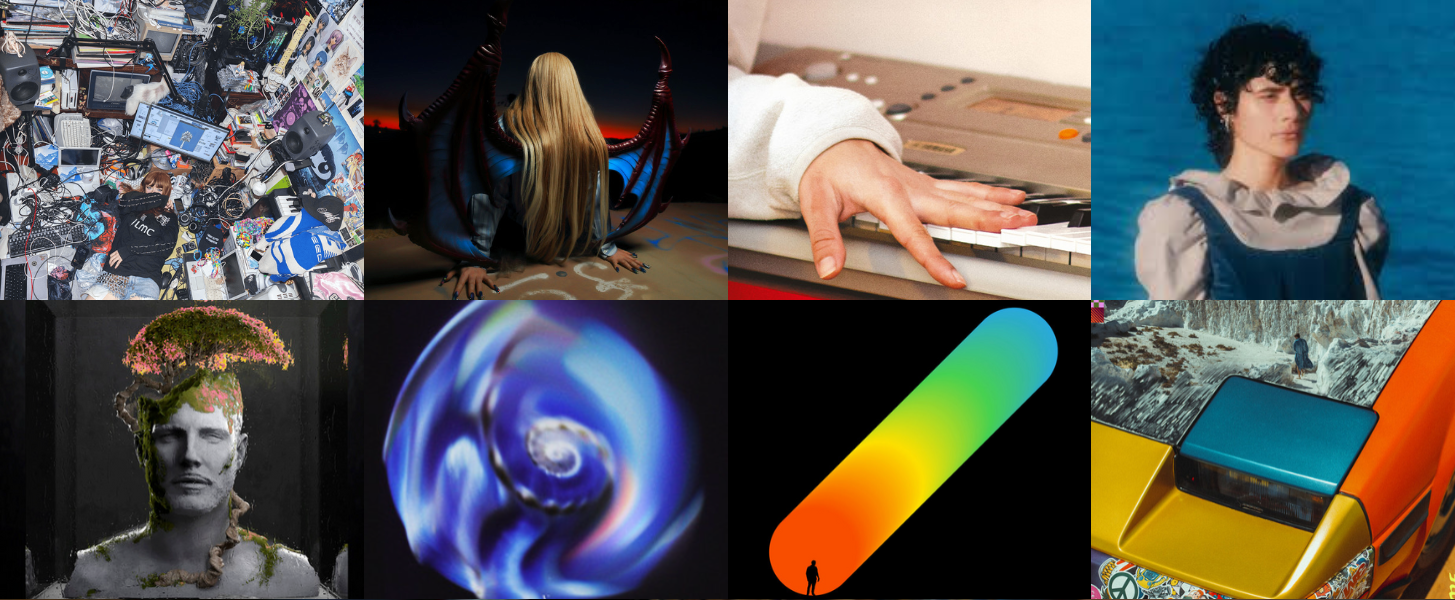
- Anna Lunoe released her debut album Pearl in 2024 after two decades defining the electronic scene through her DJ sets, singles and EP releases.
- PARIS announced her first album Labyrinth due in August 2025 – after over a decade of sonic exploration and EP releases.
- Ninajirachi’s new album I Love My Computer is now available for pre-order on both digital and vinyl.
- Montaigne just released it’s hard to be a fish, their first fully independent album after leaving a major label signing, marking complete creative freedom.
- What So Not delivered Anomaly, described as “a cohesive journey of far-off adventures, self-discovery and scintillating electronic wizardry” – exactly the kind of artistic statement that transcends functional club music.
These artists are following a path carved by other Liveschool alumni who’ve already proven electronic music’s album potential:
- Flume’s era-defining albums Flume (for which he won the Grammy for best electronic album) Skin, Palaces, and the boundary-pushing mixtape Hi This Is Flume and Arrived Anxious, Left Bored.
- Kucka’s ranked #9 in Rolling Stone’s “50 Best Australian Albums of 2024” for her 3rd self-produced album Can you Hear Me Dreaming?
- Slumberjack’s career-elevating and introspective change of pace, with their album Dicotomy
View this post on Instagram
Here’s what’s really significant: these aren’t just collections of singles bundled together. They’re cohesive artistic statements that couldn’t exist in any other format. Electronic music has evolved from a purely functional club tool into a legitimate art form capable of supporting the album format.
Kucka – Can You Hear Me Dreaming?
Why the Economics Finally Make Sense
Here’s the career advice that would have changed everything for me: the streaming economy rewards depth over novelty.
Unlike the club scene where tracks had a two-week lifespan, streaming platforms reward catalogue longevity. An album gives you 10-15 chances to connect with listeners instead of just one. The numbers prove it: streaming alone generated the equivalent of 178 million album sales in the UK in 2024, with global streams reaching 4.8 trillion – a 14% increase from the previous year.
But there’s something more important happening for producers like you: electronic music found its home beyond the club. Today’s electronic music exists in headphones, on home speakers, in art installations, and as soundtrack material. It’s no longer purely functional music – it’s experiential art that benefits from the album’s ability to create sustained emotional journeys.
This shift has massive implications for your career strategy. Singles build momentum and test ideas. EPs explore themes without full commitment. But albums? They position you as an artist, not just a track-maker.
Flume – Palaces
Art vs. Algorithm: Choosing Your Lane
This evolution comes at a crucial time for developing producers. We’re living in an era where labels increasingly sign tracks based on their “meme-ability” or potential to sync with 15-second reels. The pressure to create instantly digestible, algorithm-friendly content has created a parallel music economy focused on attention capture rather than artistic depth.
Here’s the thing: this isn’t inherently bad. TikTok-driven music is its own legitimate art form with unique creative constraints and possibilities. But the problem arises when you can’t distinguish between music made for quick attention and music created for genuine artistic storytelling.
Albums like Pearl, Anomaly, and Labyrinth represent artists choosing their lane: deep artistic exploration over viral moments. This choice becomes your career-defining decision.
Ninajirachi – Girl EDM
The Strategic Career Move
Anna Lunoe’s Pearl and What So Not’s Anomaly perfectly demonstrate strategic artistic thinking. After establishing themselves through countless singles and collaborations, they used their albums to showcase their full range – Pearl blending techno, garage, bass, rave, and indie dance, while Anomaly creates what its creator describes as “a cohesive journey of far-off adventures, self-discovery and scintillating electronic wizardry.”
Having mixed and mastered both Anomaly and Slumberjack’s Dicotomy, I’ve witnessed firsthand how these albums are crafted with every element serving overarching narratives rather than individual track utility.
The format choice has become strategic:
Singles for testing ideas, building momentum, and maintaining presence. Perfect for emerging artists establishing their sound.
EPs for thematic exploration without full album commitment. Space to develop ideas across 4-6 tracks whilst staying digestible.
Albums for mature artistic statements that position you as more than just a track-maker. They signal to industry professionals that you’re building something lasting.
Slumberjack – Dichotomy
When Should You Make the Leap?
The producers I work with often ask when they should consider moving beyond singles. The answer isn’t about track count or years of experience – it’s about artistic readiness and career positioning.
If you’re still finding your sound, keep releasing singles and EPs. Experiment freely. Build your audience. Learn what resonates.
But if you’ve developed a clear artistic voice and you’re ready to be taken seriously as more than just a track-maker, an album might be your next strategic move. It forces you to think bigger picture about your artistry whilst giving industry professionals something substantial to engage with.
The key is approaching it strategically. PARIS didn’t just decide to make an album – Labyrinth represents “a culmination of over a decade of sonic exploration.” That’s the mindset shift that turns albums from ego projects into career-defining statements.
Anna Lunoe – Pearl
What This Means for Electronic Music’s Future
What excites me most about this evolution is what it represents: electronic music finally being recognised as a legitimate art form capable of supporting substantial creative works. The throwaway culture that once dominated hasn’t disappeared – it’s just no longer the only path forward.
Artists like Anna Lunoe, PARIS, Montaigne, and Touch Sensitive are proving that when you’ve earned your audience’s trust and developed true artistic vision, they’ll follow you into deeper creative territory. Electronic music has moved beyond its purely functional origins into something that can sustain the kind of artistic statements that only the album format can provide.
Montaigne – it’s hard to be a fish
Electronic music has successfully pushed into a realm where you can tell stories as well as tear up dancefloors. The separation is over. Go and tell your story.

Alex Braithwaite
Alex Braithwaite (SUB-human) is a mix and mastering engineer known for work with artists including What So Not, Vera Blue, RL Grime and DMA’s. He is also a Liveschool Mentor, and creates his own bass-focused productions and Ableton mastering tools.